By Posada de los Palacios · Updated 28 October 2026
A city where three cultures lived together for centuries
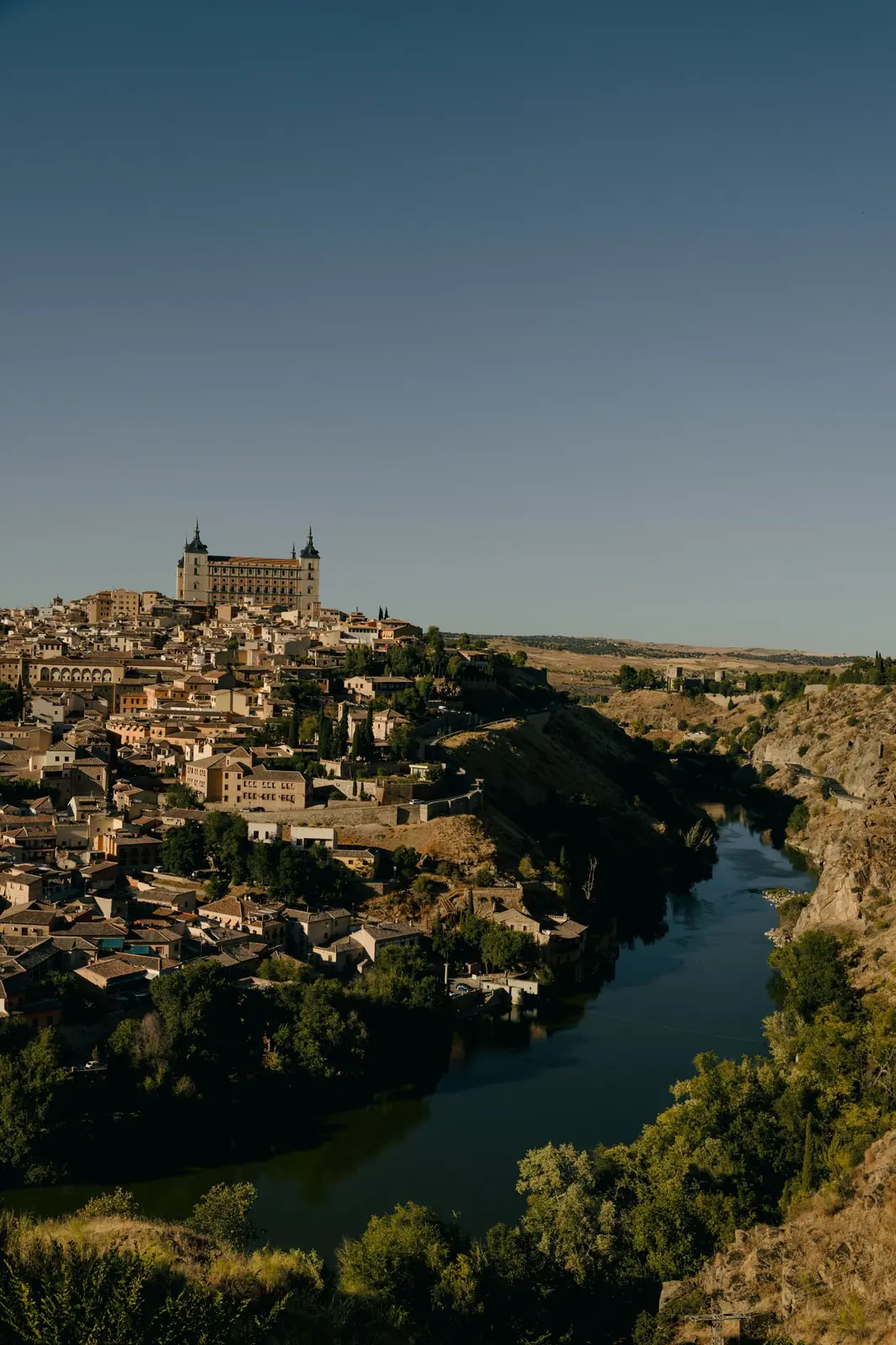
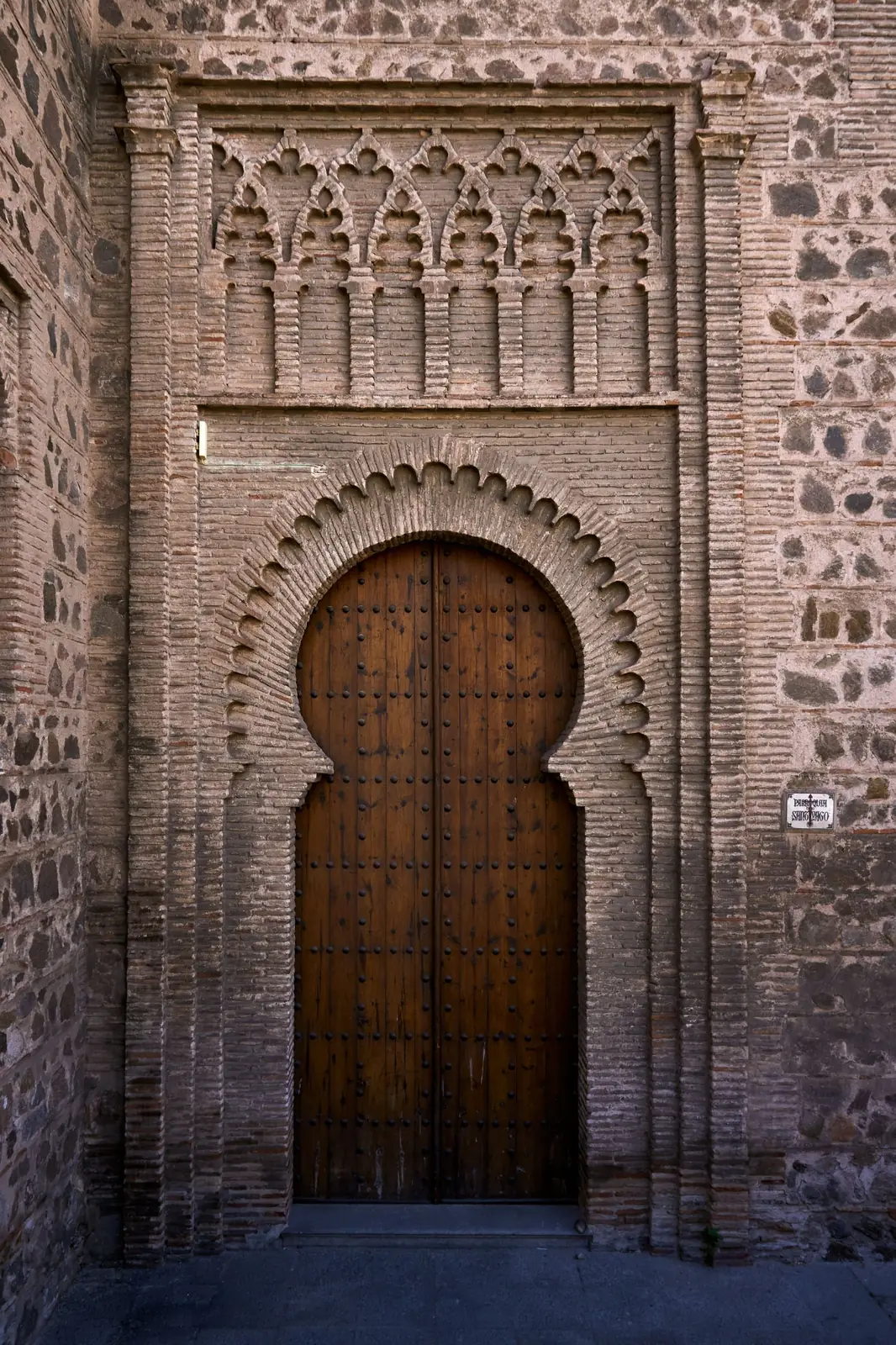
For centuries, Christians, Jews and Muslims shared the streets of Toledo, and that coexistence left a mark that can still be seen in its buildings. Many churches were built with techniques and decoration from the Islamic tradition, known as Mudéjar art, and some synagogues were the work of Mudéjar master builders. This route visits those places on foot, starts a few minutes from the Posada and can comfortably be done in a morning.
The synagogues: Santa María la Blanca and El Tránsito
Two medieval synagogues survive in the old Jewish quarter. Santa María la Blanca is striking for its forest of columns and white horseshoe arches; the 14th-century Synagogue of El Tránsito for its plasterwork and coffered wooden ceiling. The latter houses the Sephardic Museum, which helps you understand the life of the city’s Jewish community until its expulsion in 1492. Allow at least an hour and a half to visit both at a relaxed pace.
The Muslim legacy: the mosque of Cristo de la Luz
Next to the Puerta del Sol stands the small mosque of Cristo de la Luz, built in the year 999 and one of the oldest buildings in Toledo. After the Christian conquest it became a church and a Mudéjar apse was added. Its nine vaults, all different, are a gem of Caliphal art. It is a short visit that is well worth it; afterwards, a downhill walk takes you to the Puerta de Bisagra, the great gateway to the city.
Mudéjar, the art that unites Toledo’s three cultures
End the route by looking at the brick towers of churches such as Santo Tomé or San Román, and at the horseshoe arches and coffered wooden ceilings you will find all over the historic centre. They are the signature of Mudéjar, the art born of that blend of cultures. Allow a morning for the whole route, check each monument’s opening hours beforehand and remember that in Toledo almost everything is uphill: wear comfortable shoes and carry water in summer.